
Optimal Timing for Storm Restorations
Storm restorations are most effective when performed promptly after a storm event, but the timing can vary based on seasonal weather patterns and regional climate conditions. Typically, the late summer and early fall months see increased storm activity, making this period ideal for addressing storm damage. Conducting restorations during dry weather ensures safe and efficient repairs, reducing delays caused by rain or snow.
Late summer and early fall generally experience the highest storm activity, making timely restoration essential.
Dry weather periods facilitate safer and more efficient restoration work, minimizing delays.
Local climate patterns influence the ideal timing for storm restorations, with some regions experiencing storms year-round.
Immediate inspections after storms help identify damage early, allowing for prompt restoration before further deterioration.
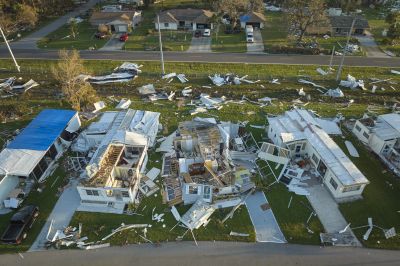
Assessing damage immediately after storms ensures timely restoration.
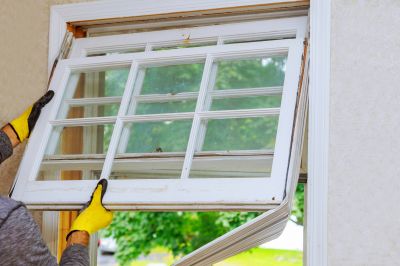
Professional teams perform repairs efficiently during optimal weather conditions.
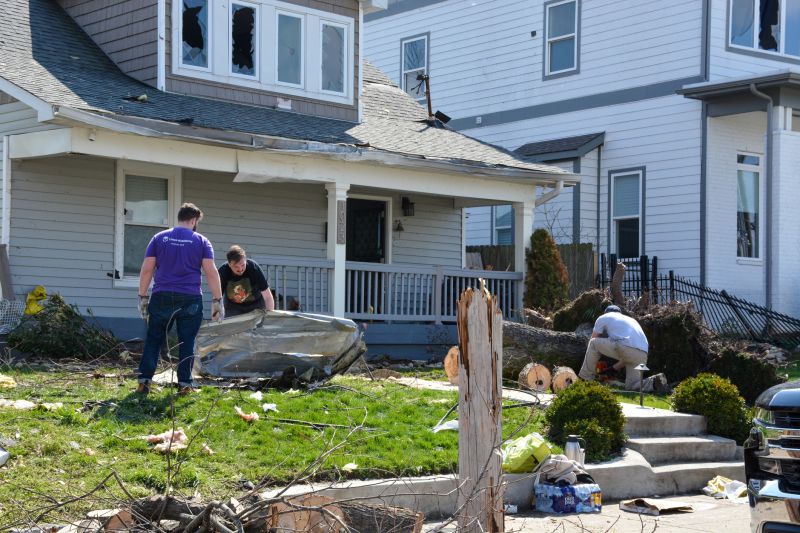
Completed storm restoration projects demonstrating quality work.

Ways to make Storm Restorations work in tight or awkward layouts.
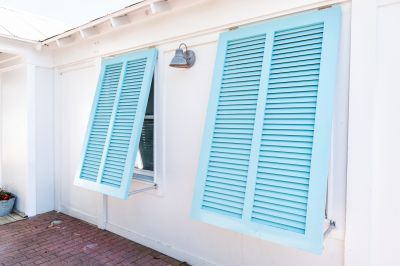
Popular materials for Storm Restorations and why they hold up over time.

Simple add-ons that improve Storm Restorations without blowing the budget.
| Season | Ideal Timing |
|---|---|
| Spring | Early spring before storm season peaks |
| Summer | Late summer for peak storm activity |
| Fall | Early fall for storm preparedness |
| Winter | Off-season, for preventative measures |
Storm restorations encompass a range of services aimed at repairing and restoring properties damaged by severe weather events. These services include roof repairs, siding replacements, window reinforcements, and structural assessments. Timely intervention can prevent further damage, reduce costs, and restore safety to affected properties. Statistics indicate that prompt restorations can decrease repair costs by up to 30 percent and significantly reduce the risk of secondary damages such as mold or water intrusion.
Understanding the optimal timing for storm restorations can lead to more efficient project management and better outcomes. Weather conditions, storm season peaks, and regional climate patterns all influence the best periods for undertaking these repairs. Planning restorations during favorable weather minimizes delays and ensures work is completed to standard, providing long-term protection against future storms.
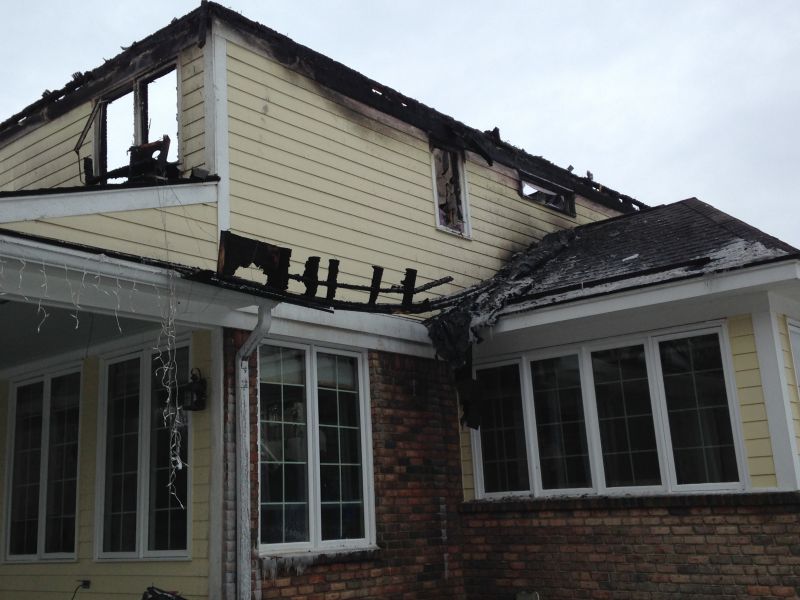
Restoration work to repair storm-related damages.
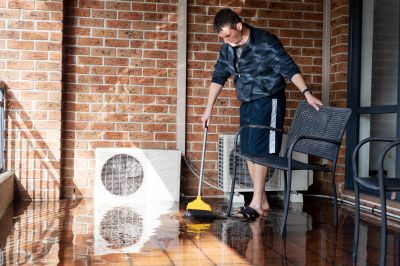
Rapid response teams addressing urgent storm damage.
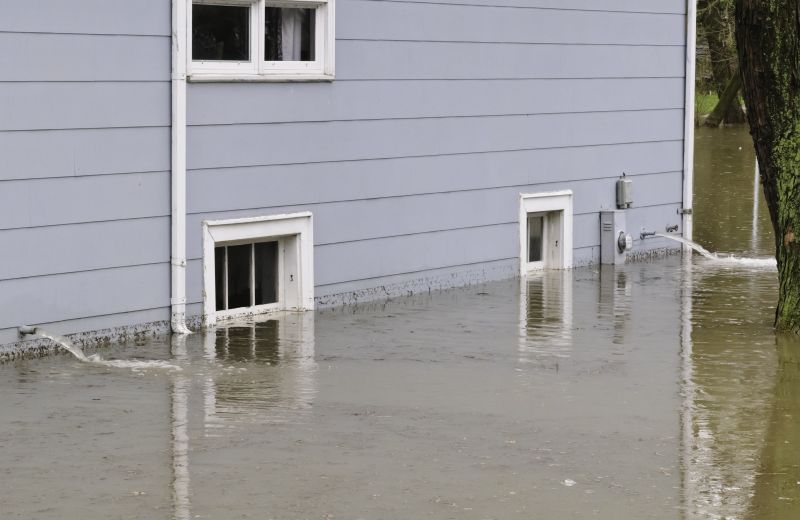
Step-by-step restoration process after storm damage.
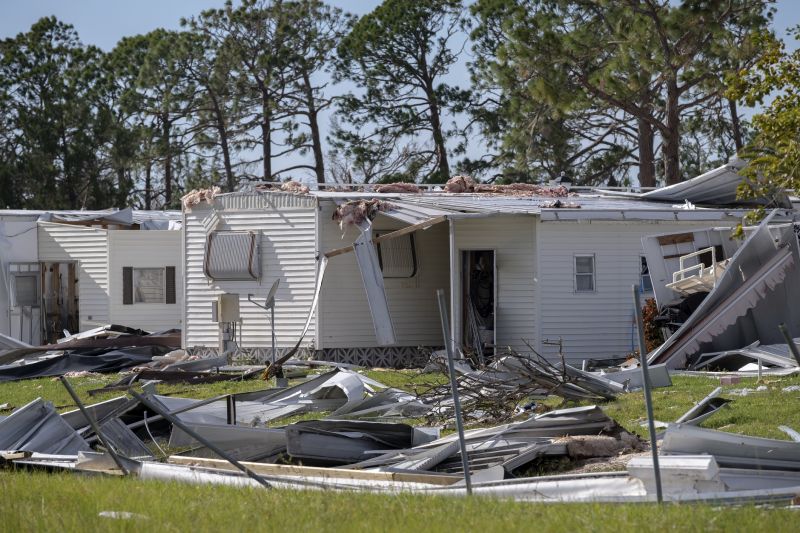
Completed projects demonstrating quality restoration.
For property owners in Ashburn, VA, understanding the best timing for storm restorations can help ensure damage is addressed promptly and effectively. Consulting with local restoration experts can provide insights into regional weather patterns and optimal scheduling. Early action after storm events is crucial to maintain property integrity and safety.
Interested property owners are encouraged to contact professionals experienced in storm restorations to discuss specific needs and timing considerations. Filling out the contact form can facilitate a timely assessment and planning process tailored to regional weather conditions.